

New Book Highlights Aftercare Gap Following GLP-1 Treatment Pathways
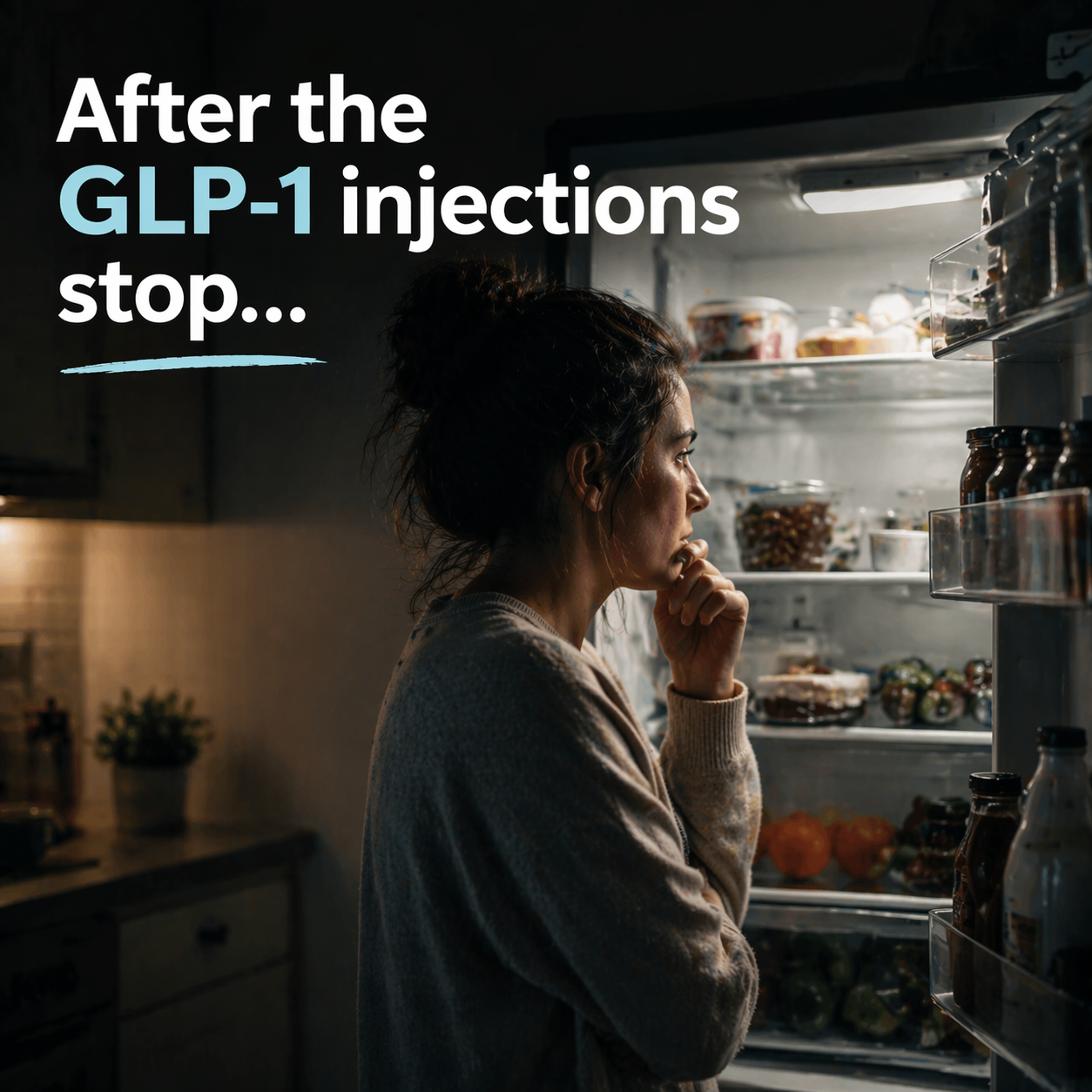

As GLP-1 use grows, attention turns to what happens after treatment pathways end, with new insights into maintaining weight loss and avoiding regain.
LONDON, UNITED KINGDOM, April 25, 2026 /EINPresswire.com/ -- As the use of GLP-1 medications such as Ozempic, Wegovy and Mounjaro continues to rise, increasing attention is being paid to a phase of the treatment pathway that remains largely overlooked: what happens after the medication stops.While these drugs have proven effective in supporting weight loss during active use, emerging discussion among patients and clinicians suggests that the transition off treatment can present significant challenges. Appetite often returns, food becomes more prominent, and the behavioural effort required to maintain weight loss increases.
Early reports and patient experiences indicate that some individuals feel unprepared for this shift. The expectation that weight loss will simply continue can be quickly challenged once pharmacological support is reduced or removed.
Behavioural specialists are now pointing to what is being described as an “aftercare gap” within the GLP-1 treatment pathway. The focus of treatment has largely centred on weight loss itself, with less structured support available for the maintenance phase that follows.
“Weight loss is only one part of the treatment pathway,” say behavioural practitioners Martin and Marion Shirran. “The transition afterwards is where many people encounter difficulty, not because they lack motivation, but because the conditions have changed.”
During treatment, appetite suppression and reduced food noise can make dietary decisions easier. Once those effects diminish, individuals may find themselves facing the same environmental and psychological triggers as before, but without the same level of support.
There is also growing interest in how individuals manage this transition, with some exploring approaches such as tapering or microdosing medication in an attempt to reduce the impact of stopping abruptly. These approaches remain part of an evolving conversation, particularly in the absence of widely established aftercare frameworks.
Healthcare professionals are beginning to take note. Although formal guidance is still developing, there is increasing recognition that long-term weight maintenance may require a more structured and behaviourally focused approach once medication ends.
Against this backdrop, a new book is aiming to address the issue directly.
The GLP-1 Legacy, by Martin and Marion Shirran, draws on more than 15,000 hours of one-to-one behavioural work and insights from over 100 GLP-1 users to explore what happens after treatment pathways end. The book focuses on practical strategies for managing appetite return, rebuilding habits, and maintaining weight loss beyond medication.
The foreword is written by Professor Jane Ogden, a leading health psychologist, supporting the book’s behavioural approach.
As the conversation around GLP-1 use continues to evolve, the question of what happens after treatment is likely to become increasingly relevant. For many, the end of medication marks not the conclusion of the process, but the beginning of a new and often more complex phase.
The GLP-1 Legacy is available in all formats, with further information and sample chapters accessible via Oxford Therapeutics.
Martin Shirran
https://www.linkedin.com/company/83530902/admin/dashboard/
+34 605 85 06 72
email us here
Legal Disclaimer:
EIN Presswire provides this news content "as is" without warranty of any kind. We do not accept any responsibility or liability for the accuracy, content, images, videos, licenses, completeness, legality, or reliability of the information contained in this article. If you have any complaints or copyright issues related to this article, kindly contact the author above.
