

AndaSeat Highlights Phantom 4 Series as Schools Reassess How Students Recover Focus Between Learning Tasks
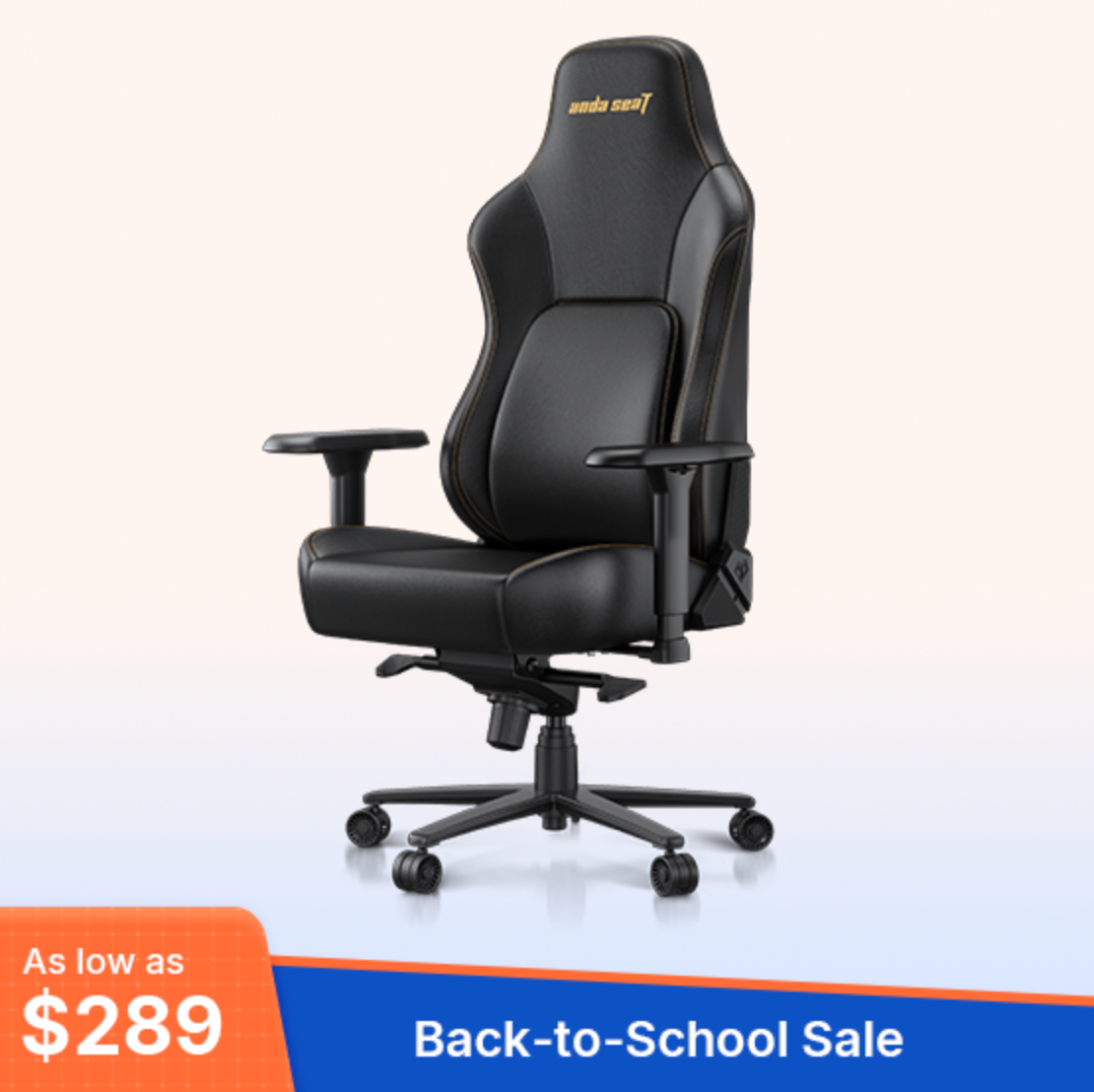
2026 BacktoSchool AndaSeat Phantom 4
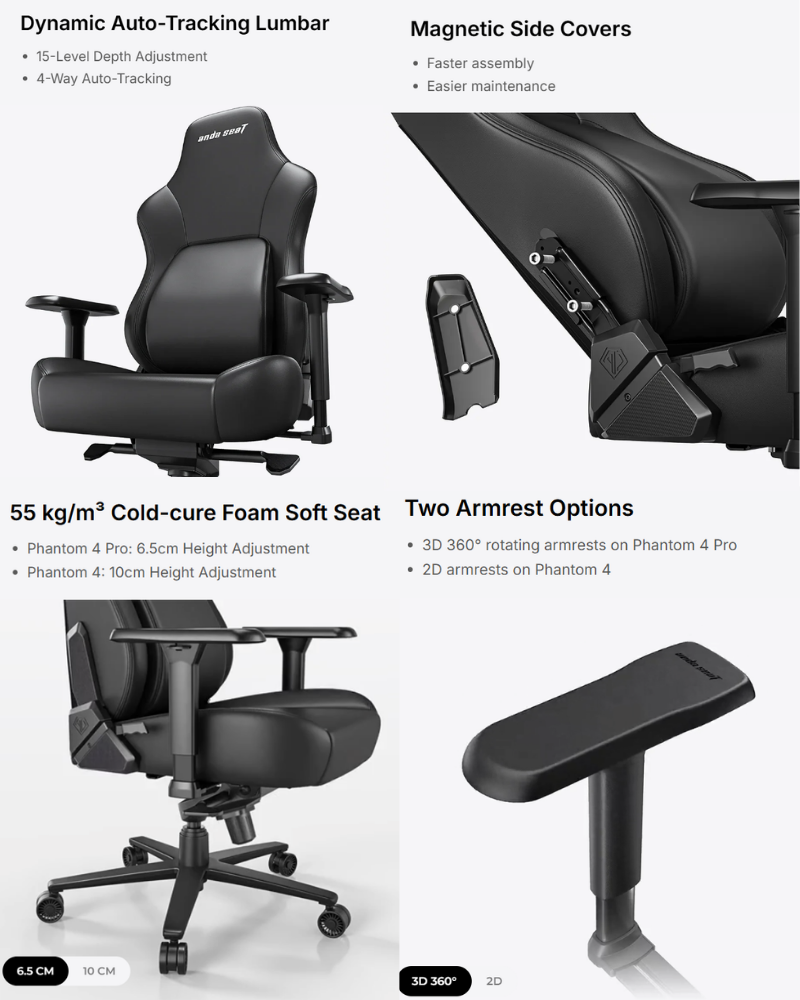
AndaSeat Phantom 4 Key Feature
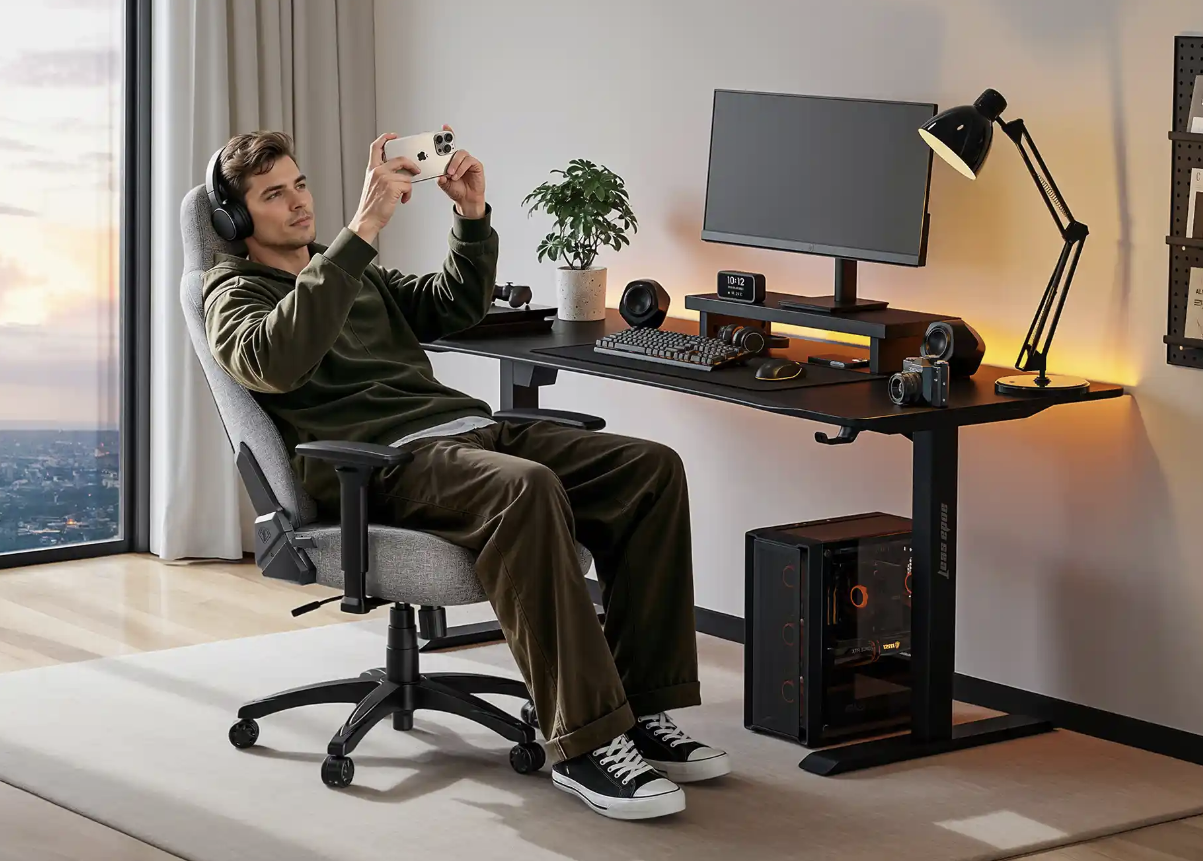
AndaSeat Phantom 4
AndaSeat Highlights Phantom 4 Series as Schools Reassess How Students Recover Focus Between Learning Tasks
SPOKANE, WA, UNITED STATES, August 5, 2026 /EINPresswire.com/ -- AndaSeat has opened its 2026 Back-to-School Campaign, running from August 5 through August 30 and including reductions of up to $180 across selected products. The company is placing particular focus on the Phantom 4 Series and a study-space issue receiving increased attention in education research: students do not remain in one task, one level of concentration or one physical position throughout an extended study period.A 2026 open-access review published in the Early Childhood Education Journal describes attention as essential to learning and identifies environmental, task-related, instructional and internally generated sources of distraction. It also notes that demanding mental work can reduce attentional capacity over time and that appropriate breaks and attention-restoration strategies can help students re-engage.
The Australian Education Research Organisation similarly explains that working memory has limited capacity. When learners are required to manage too many demands, unclear expectations or distractions at once, cognitive overload can reduce their ability to focus on new information.
Furniture cannot eliminate digital distraction, improve grades or manage a student’s attention. It can, however, avoid adding unnecessary physical reset steps when a user moves from typing to reading, from an online lesson to note-taking, or from focused work to a brief seated pause.
The Phantom 4 Series was developed around that narrower role. Its dynamic auto-tracking lumbar mechanism, 15-level depth adjustment, four-way following movement, 135-degree recline and 15-degree rocking range are intended to preserve adjustable back contact as posture changes.
Attention Is Limited, but Study Tasks Keep Changing
A home study session rarely consists of one uninterrupted activity. Students may read instructions on a laptop, turn toward printed notes, lean forward to type, sit back during a recorded lecture and shift sideways to reach a book.
Some of these transitions are required by the work itself rather than caused by distraction. Nevertheless, cognitive research has consistently identified a task-switch cost: responses are generally slower and more error-prone immediately after a person moves to a different task.
The physical environment should therefore avoid creating additional procedures around each transition. If changing activities also requires repositioning a loose lumbar pillow, resetting the backrest or choosing between support and movement, the chair becomes another item that demands attention.
OSHA’s computer-workstation checklist states that chair adjustments should be straightforward to perform while the user is seated. It also recommends that workstations allow occasional changes in posture and that computer tasks be organized so keyboard work can be varied with other activities or recovery pauses.
Phantom 4 is not designed to prevent task switching. It is designed so smaller changes in the user’s position do not automatically remove the lumbar contact established at the beginning of a study session.
Dynamic Lumbar Support Reduces Manual Resetting
The central feature of the Phantom 4 Series is its motion-responsive lumbar structure.
The support extends through 15 locking positions across a 0–95 mm depth range. Users can select more noticeable lumbar contact for upright computer work or retract the mechanism when a less prominent setting is preferred.
When extended, the lumbar unit can swivel approximately 5 degrees to either side and tilt through a 25-degree forward-and-back range. These movements allow the support surface to follow controlled shifts as the user changes viewing direction, reaches for materials or moves between upright and reclined positions.
The system does not diagnose posture or determine one medically correct position. Its function is mechanical: it gives the backrest a degree of responsive movement after the user has selected the initial support depth.
A student reading from a monitor may sit differently from the same student writing by hand. During an online discussion, the user may sit farther into the backrest; during detailed keyboard work, the torso may move closer to the desk.
A completely fixed lumbar projection may feel different across those positions. The Phantom 4 mechanism is intended to retain contact through a broader range of movements without requiring repeated manual correction.
Recline and Rocking Create Distinct Task States
Both Phantom 4 models recline to 135 degrees and provide a 15-degree rocking range.
A more upright position may be selected for typing or detailed work. A moderately reclined position may be used for reading, viewing recorded material or reviewing completed work. Rocking provides smaller movement without requiring a complete change in backrest angle.
Phantom 4 Pro adds a tilt-lock mechanism, allowing the rocking action to be disabled when a firmer position is preferred. The standard Phantom 4 uses a butterfly tilt mechanism with adjustable rocking tension.
These features are not substitutes for standing, walking or active breaks. OSHA recommends changing working positions, making small chair or backrest adjustments and periodically leaving the seated position. The 2026 attention review also discusses physical activity and breaks as strategies for restoring attention after demanding mental work.
The chair’s role is limited to the periods that remain seated: it allows users to establish different supported positions rather than treating an entire study block as one unchanging posture.
Two Models Provide Different Levels of Control
Phantom 4 and Phantom 4 Pro share the same dynamic lumbar system, 15-level depth control, 135-degree recline, 15-degree rocking range and 55 kg/m³ cold-cure foam seat.
Phantom 4 Pro adds 3D 360-degree armrests with approximately 6 cm of forward-and-back movement, 7 cm of height adjustment and rotational positioning. These controls can accommodate changes among keyboard, mouse, tablet and more relaxed hand positions.
The Pro model also includes a magnetic memory-foam head pillow with a cooling-gel layer and approximately 20 cm of vertical attachment range. Its multi-function tilt mechanism provides 6.5 cm of seat-height adjustment.
The standard Phantom 4 uses 2D armrests with forward-and-back and vertical adjustment, an elastic-strap memory-foam head pillow and a 10 cm seat-height range.
The choice between the models therefore concerns the amount of peripheral adjustment required, rather than access to the central auto-tracking lumbar mechanism.
A Stable Base Supports Movement Above It
Both models use a 55 kg/m³ cold-cure foam seat. The molded cushion is intended to provide a consistent sitting base as the user’s torso and backrest position change.
The chairs are designed for users approximately 150–185 cm in height and support up to 120 kg, subject to individual body proportions and fit. Shared structural features include reinforced internal components and 60 mm polyurethane-coated casters.
Leather and linen upholstery options address different maintenance, texture and room-design preferences. Magnetic side covers provide snap-on access to the backrest connection points, supporting initial assembly and later maintenance.
These construction details do not directly affect attention. They provide the mechanical platform on which the moving lumbar, recline and armrest systems operate.
Back-to-School Planning Now Includes Transition Design
The current education discussion increasingly treats attention as a resource that must be directed, protected and restored.
The 2026 classroom review emphasizes reducing unnecessary distractions, managing cognitive demands and using appropriate recovery periods. AERO likewise notes that structured and predictable environments can reduce the mental effort spent managing behavior and leave more working-memory capacity available for learning.
The Phantom 4 Series cannot create those routines or determine how students use digital devices. Its role is more specific: to reduce physical adjustment friction when a student changes task or posture within an established study routine.
AndaSeat’s Back-to-School Campaign runs from August 5 through August 30, 2026. Included products and reductions of up to $180 vary by region, inventory and applicable campaign terms.
About AndaSeat
Founded in 2007, AndaSeat develops ergonomic furniture and workspace products for gaming, professional, educational and home environments. Its portfolio includes ergonomic chairs, standing desks, monitor arms and related accessories.
Caroline Chen
AndaSeat
email us here
Visit us on social media:
LinkedIn
Instagram
Facebook
YouTube
TikTok
X
Legal Disclaimer:
EIN Presswire provides this news content "as is" without warranty of any kind. We do not accept any responsibility or liability for the accuracy, content, images, videos, licenses, completeness, legality, or reliability of the information contained in this article. If you have any complaints or copyright issues related to this article, kindly contact the author above.
